
Government
PRODUCTS
-
 System")
Modern clinical trials require modern technology. Leverage the flexibility and speed of the cloud with TrialKit electronic data capture(EDC).
-

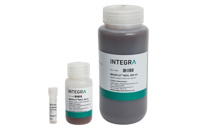
MAGFLO magnetic beads are only available in Austria, Belgium, Denmark, France, Germany, Ireland, Netherlands, Sweden, Switzerland and the United Kingdom.
-

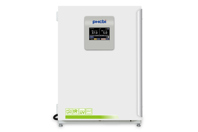
PHCbi's high heat sterilization CO2 incubator offers advanced contamination protection while streamlining laboratory operations and helping reduce environmental impact. Its stackable design and improved insulation offers added flexibility and a space-saving solution for busy labs—allowing one incubator in a stack to be decontaminated while neighboring incubators continue operating at set point. This incubator eliminates the need for consumables like HEPA filters and UV-mercury based bulbs using an eco-friendly, long-lasting UV-LED based bulb.
-

Enable secure, flexible data exchange with open REST integrations—streamlining workflows, reducing manual effort, and supporting modern, audit‑ready clinical operations.
-

Streamline clinical trial data capture through eSource workflows that support both Direct Data Capture and automated EHR-to-EDC data transfer across Paradigm Health’s research-ready provider network.
Research teams can capture study data within the EHR or through a standalone application, enabling consistent workflows across sites while reducing manual transcription. Sponsors gain faster access to cleaner trial data with fewer queries and more efficient monitoring.



WHITE PAPERS AND CASE STUDIES
-
 How To Adopt CSA For Streamlined Computer System Validation
Discover how the FDA’s Computer Software Assurance guidance modernizes validation by reducing compliance burdens and fostering innovation through a streamlined approach to system validation.
-
 The Essential Ingredient For GxP Training Innovation
Advanced learning tools depend entirely on the health of the underlying training matrix. Establish a clean, data-driven framework to reduce compliance risks and recover lost operational hours.
-
 Modular Automation: The Plug-And-Produce Opportunity For Life Sciences
Explore how the advantages of modular automation in life sciences emphasize flexibility, efficiency, and cost savings through plug-and-produce systems that enhance production adaptability and speed.
-
 Successful Partnership Advances AML Program To Phase II/III
See how strong collaboration rescued a stalled AML study, proved a safer approach to a proven drug class, and turned a Phase I/II partnership into a global Phase II/III trial.
-
 Buffers And Process Liquids For Biopharmaceutical Production: Considerations For Scale-Up And Outsourcing
For small and midsize biopharmaceutical organizations, outsourcing buffer and process liquid preparation, quality testing, and storage could significantly streamline operations and reduce regulatory risk.
-
 Guide To Pharmaceutical CAPA And Quality Management
CAPA management is vital for quality systems, especially in pharmaceuticals. Examine how issues are identified, corrected, and prevented to safeguard health and uphold regulatory compliance.
-
 Driving Digital Excellence In Life Sciences
The life sciences industry is rapidly evolving through digital transformation and agility. Discover why embracing modern technologies is essential to thrive in today’s competitive landscape.
-
 Digital Standardization: Accelerating Gene Therapy Tech Transfer With Confidence And Compliance
Fragmented, manual data practices slow tech transfer and increase risk; centralized digital CMC systems standardize workflows, improve transparency, and accelerate onboarding while maintaining compliance.
-
 How Utilities Can Thrive In The New Generative AI Reality
This white paper explores the transformative potential of generative AI (gen AI) in the water utility sector, demonstrating how it can enhance efficiency, productivity, and decision-making across organizations of all sizes.
-
 DECODE CRS: Accelerating Immunotherapy Access And De-risking CRS
How does the DECODE CRS Coalition help trial sponsors standardize protocols and build a first-of-its-kind wearable dataset to lower development costs and safely de-risk outpatient care?
-
 Development And Regulation Of Veterinary Monoclonals
Although veterinary mAbs have achieved commercial success, ongoing discussions and clinical developments surrounding them are expected to outline a clear regulatory pathway in the near future.
-
 Meeting The FDA's New Real-World Evidence Standards
FDA guidance is reshaping RWE strategy. Sponsors that build interoperable, audit-ready RWD infrastructure now will be best positioned for faster, defensible submissions.












NEWS
-
Laserfiche And Carahsoft Partner To Deliver Document Management Solutions To The Public Sector2/11/2025
Laserfiche, a leading enterprise platform that helps organizations manage their most critical content and workflows, and Carahsoft Technology Corp., The Trusted Government IT Solutions Provider®, today announced a partnership.
-
City Of Wausau And Community Infrastructure Partners Celebrate 1,000th Lead Service Line Replacement, Set National Model For Lead-Free Future7/17/2025
The City of Wausau marked a transformative milestone with the celebration of its 1,000th lead service line (LSL) replacement, achieved in just over one year through the innovative EquiFlow Lead-Free Program.
-
Puerto Rico And Glass Launch 'Mercadito', Latin America's First Government E-Commerce Platform5/22/2025
The Government of Puerto Rico, in collaboration with Silicon Valley government technology company Glass, has launched “Mercadito”, an innovative platform that modernizes public sector purchasing.
-
Water Authority Of Dickson County, TN Upgrades Field Operations With OpenGov10/8/2025
After spending ten years building their GIS into their system of record, the Water Authority of Dickson County, Tennessee, was ready to add a system to allow for better management of horizontal and vertical assets and daily workflows.
-
Oil And Gas Operators Are Confident They Can Detect A Cyberattack. The Tools They Are Using Cannot. Tosi Reports.5/11/2026
Independent Tosi survey of 100 U.S. upstream and midstream OT decisionmakers finds 87 percent confident in 24-hour breach detection, but only 16 percent have the OT monitoring to support that confidence.