
A Case Against Paper For Clinical Outcome Assessments: If Data Integrity Matters, Paper Is Not An Option
By Paul O’Donohoe, Senior Director eCOA Product and Science at Medidata Solutions, and Angela May, Independent Consultant
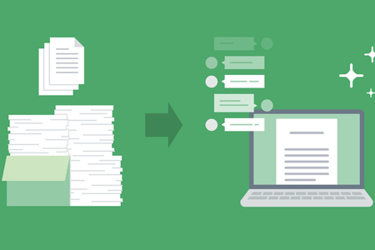
While clinical trials have embraced digital transformation across most functions, a lingering debate remains regarding the use of paper versus electronic clinical outcome assessments (eCOA). Relying on paper introduces significant vulnerabilities that can compromise the core regulatory framework of data integrity known as ALCOA—ensuring data is attributable, legible, contemporaneous, original, and accurate. The limitations of paper often manifest as "hidden" costs, including administrative bottlenecks and retrospective data entry. For instance, research has shown that while patients may report 90% completion on paper diaries, actual compliance can be as low as 11%.
Transitioning to electronic capture eliminates these risks by enforcing entry windows, providing automated audit trails, and facilitating real-time data flow directly into electronic data capture systems. Beyond compliance, digital solutions reduce the personnel time required to process paper. Embracing these advancements is no longer just an innovation; it is a fundamental requirement for maintaining high-quality endpoints in an increasingly complex global regulatory landscape.
Get unlimited access to:




Enter your credentials below to log in. Not yet a member of ECM Connection? Subscribe today.